
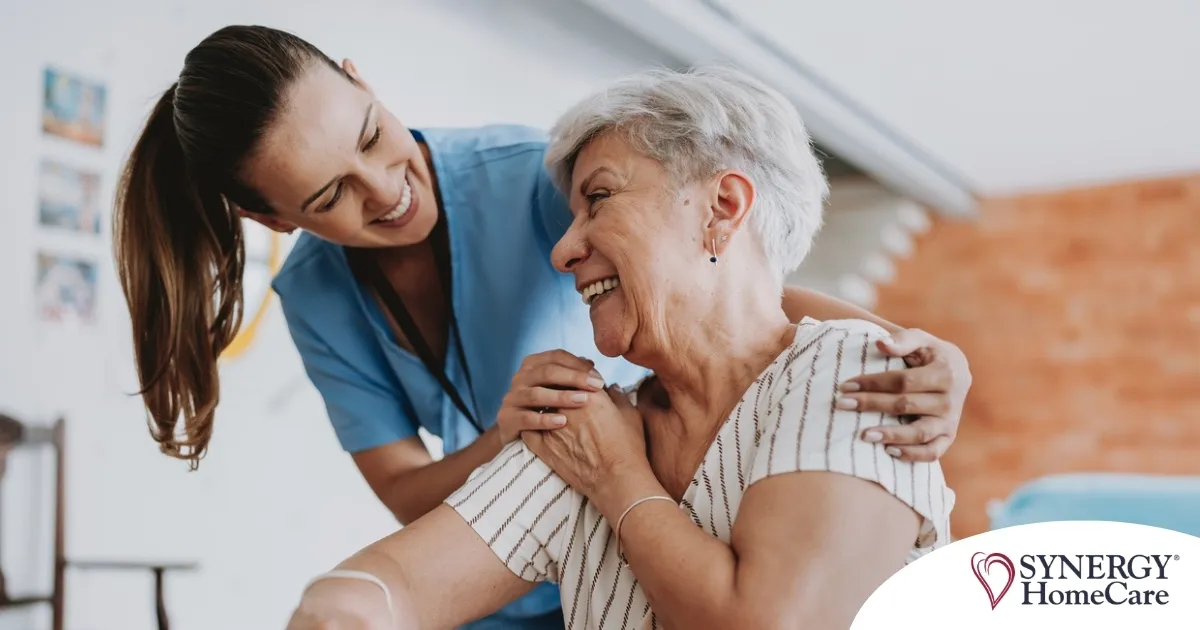
Stroke recovery at home often happens in small, everyday moments. Buttoning a shirt, pouring a cup of coffee, or walking from the bedroom to the kitchen can all become part of how your loved one rebuilds strength, coordination, and confidence. Therapists often encourage practicing these tasks as part of daily life, since repetition at home supports the progress made in therapy.
For families, this can mean learning a new way to help. Knowing when to step in, when to offer encouragement, and when to give a little extra time can make a real difference in how recovery unfolds. Much of it comes down to three things: a safe home setup, steady daily routines, and patience with the pace of progress.
This article can help you understand what the early months after a stroke often look like, how families can support independence day to day, and how home care in San Mateo and Santa Clara Counties can add safety and encouragement along the way.
What Stroke Recovery at Home Really Looks Like
Hospitals often discharge stroke patients sooner than families expect. During hospital treatment, there’s a schedule and a medical team close by. Home brings new challenges. Therapy may happen a few times a week, but the rest of the week is made up of ordinary hours: getting dressed, eating breakfast, walking to the bathroom at night.
Recovering from a stroke rarely follows a straight line. Because every brain injury is different, the extent and duration of recovery vary widely. There are good days and flat weeks, and fatigue can arrive without warning.
Emotional changes are common too. About one in three stroke survivors experiences depression, and anxiety often shows up alongside it. If your loved one seems withdrawn or unusually worried, it may be worth mentioning to their doctor. These changes are part of the unpredictable nature of a stroke, and treatment can help.
Why Doing Everything for Them Can Slow Things Down
Family caregivers may find that the urge to help becomes a quiet habit. A spouse starts cutting every meal. An adult daughter buttons every shirt. Over weeks, the weaker arm gets used less, and the person recovering may start to believe they can’t do things they’re close to managing. Recovery can’t be accelerated by doing more for someone. It tends to grow when they’re given the chance to do more themselves.
There are gentler ways to support without taking over:
- Ask before stepping in. A simple “Want a hand, or do you want to keep going?” leaves the choice, and a sense of control, with them.
- Offer setup help. Loosen the jar lid slightly, or lay the shirt out with the buttons facing up.
- Build in extra time. Starting the morning earlier can take the pressure off everyone.
- Notice effort, not speed. Small successes deserve recognition.
How Can Home Care Support Post-Stroke Care Day to Day?
A predictable routine gives recovery a steady place to happen. Many families schedule harder tasks, like showering or physical therapy exercises, in the morning when energy is usually highest. Therapists often encourage patients to gradually increase activity, so afternoon rest matters too. Listening to the body is just as crucial as practice.
Preparing the Home Environment
Strokes often affect one side of the body, along with balance, coordination, and gait, which is the pattern of how a person walks. The CDC reports that stroke reduces mobility in more than half of survivors age 65 and older. Clearing walkways, removing loose rugs, and adding grab bars and nightlights can lower the risk of a fall. A therapist may assess the home environment and identify spots where changes in gait make thresholds harder to manage.
Making Communication Easier
A stroke can affect the ability to speak. When it does, speaking slowly, asking yes-or-no questions, and not finishing their sentences for them can all help. Notes and picture boards are useful tools too. Communication challenges are tiring, and being given room to try supports emotional well-being.
Lowering the Risk of Another Stroke
Managing high blood pressure, high cholesterol, and diabetes, along with quitting smoking, are important steps. A healthy lifestyle with balanced meals and doctor-approved exercise plays a part too. Taking medications as prescribed and keeping follow-up appointments with the medical team are essential.
How Home Care Fits Into Stroke Rehabilitation
Home care caregivers don’t provide physical therapy or other medical interventions. They assist with the everyday routines where therapy skills get used, which supports post-stroke rehabilitation between visits. For families across San Mateo and Santa Clara Counties, Campbell, Saratoga, Los Gatos, Palo Alto, Mountain View and Los Altos, that support often centers on a few areas.
Personal care with patience. A caregiver can stand by during dressing and bathing, helping when it’s needed and stepping back when it isn’t. Gentle reminders to do assigned exercises help maintain progress.
Meal preparation. Doctors often recommend diet changes to help control blood pressure, and some people have trouble swallowing. A caregiver can prepare meals that follow the medical team’s guidance.
Transportation. Reliable rides to therapy and follow-up appointments help keep treatment on track.
A caregiver who visits regularly comes to know the rhythm of someone’s recovery. They may notice in real time when a client is moving more slowly or skipping meals, and sharing those observations helps families identify concerns early. For many patients, the biggest gains come in the first few months, but long-term recovery can continue as the brain keeps adapting. A steady routine at home can help enhance and maintain those gains.
Home care also gives family members room to rest. Post-stroke recovery can be a real challenge for a spouse or adult children. A few hours of support each week can help protect your own well-being.
Helping Your Loved One Feel at Home Again in San Mateo and Santa Clara Counties
Stroke recovery asks for a lot of patience. Every family’s recovery journey looks different, and there’s no single way to measure progress. A buttoned shirt or a walk to the porch often means more than it looks like from the outside.
At Synergy HomeCare, our caregivers support families in San Mateo and Santa Clara Counties, Campbell, Saratoga, Los Gatos, Palo Alto, Mountain View and Los Altos through the part of the recovery journey that happens at home. Our services include Companion Care, Personal Care, Alzheimer’s & Dementia Care, Specialized Care, End-of-life Comfort Care, Fall & Injury Prevention, Hospital-to-home Care, Post-Surgical Care, Veteran Home Care, 24-Hour Live-In Care and Home Monitoring.
If you’d like to talk through what support at home might look like, we’d be glad to have that conversation with you.